Cables and cash power meters are the items most often stolen. Kicukiro District had the most cases in 2026, and REG is running background checks on technicians and working with security organs.
Rwanda Energy Group (REG) has recorded 190 cases of theft and vandalism of electricity infrastructure over the past three years, with estimated financial losses of RWF 298.98 million, The New Times reported on 12 November 2026.
Geoffrey Zawadi, REG’s spokesperson and head of external relations, said the money lost does not capture the full impact. “The non-monetary loss is much bigger than the monetary loss,” he told the newspaper. Theft and vandalism cause power cuts in villages and cells and affect public facilities, including health centres and traffic surveillance cameras.
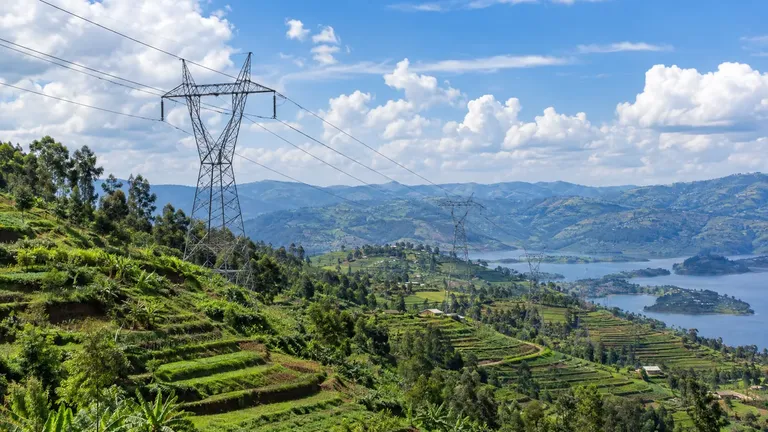
Electrical cables and wires are the items most often targeted, followed by cash power meters, cross arms, distribution boxes and circuit breakers. Thieves also take suspension anchor clamps, anti-climbing devices and polymer tension insulators. In 2026, Kicukiro District recorded the most cases, with 11, followed by Musanze with eight and Rubavu and Ngororero with six each. Nyamagabe was also among the districts with the highest numbers.
Some stolen material has been recovered through follow-up operations with security organs, but REG said most recovered cables could not be reused in the network. “The recovered cables could only be sold or used as scrap materials,” Mr Zawadi said. Replacing stolen equipment and repairing damage means unplanned spending, which REG said diverts money from expanding access and improving service.
To prevent further incidents, REG is strengthening cooperation with security organs, running background checks on technicians who work on its projects, and raising community awareness. It asked residents to treat the infrastructure in their areas as their own and to report suspicious activity to the authorities.
For businesses, the figures show that some local outages are caused by damage to the distribution network rather than by generation or grid capacity. Rwanda aims for 100 percent household electricity access by 2029 under the Second National Strategy for Transformation (NST2), which depends on keeping that network in working order.
 Energy