How Rwanda’s Economic Zones Work
Three roles in every zone
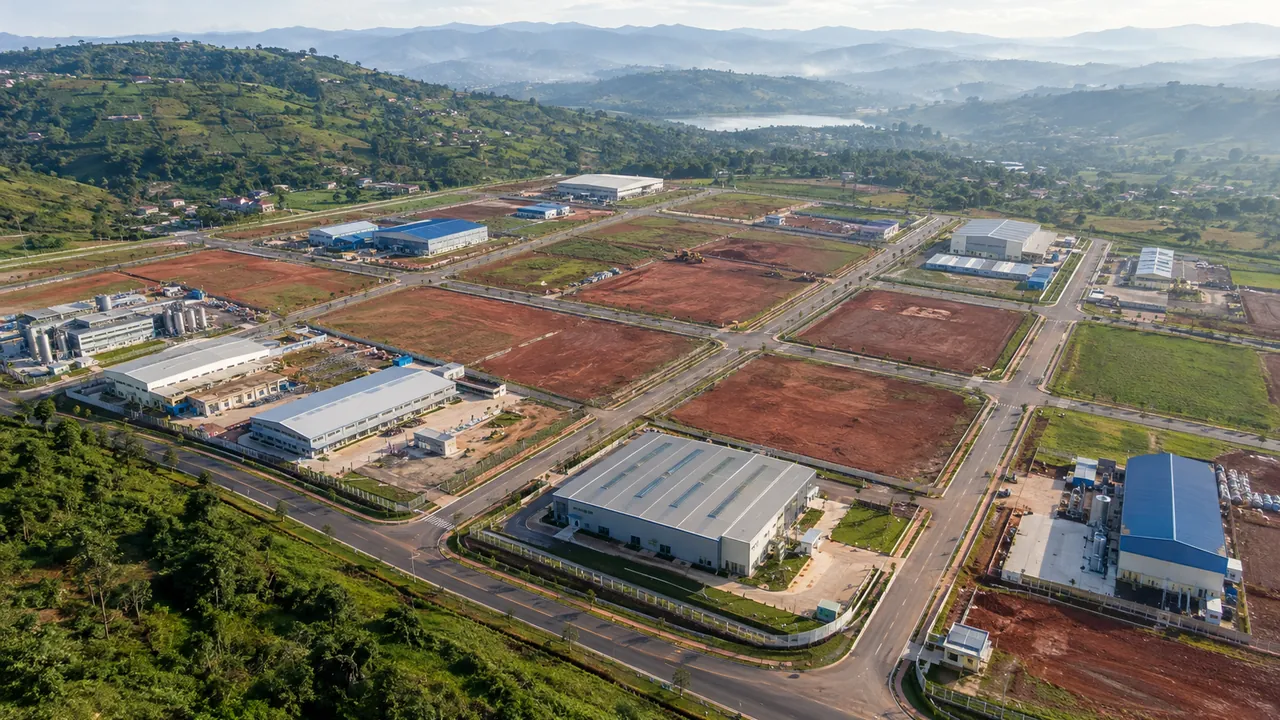
- Developer: builds the zone and its roads, power, water and sewage. In the Kigali zone this is the Prime Economic Zone Secretariat, which holds the land and signs agreements with the companies that set up there.
- Operator: runs the zone day to day. The developer can also be the operator.
- User: the company that leases a plot or premises and works in the zone. It needs an SEZ user licence.
Developers and operators must be legal entities registered in Rwanda, with the financial and technical capacity for the job. SEZAR alone issues licences for developers, operators and users.
What the law allows
- Free trade areas: a zone can have free trade areas, where imported goods enter without import duty under customs control, and areas that are not free trade areas.
- Activities: any lawful activity is allowed, except those on a negative list set by Ministerial Order.
- Sales: goods sold out of the country leave without duty. Goods sold into Rwanda pay the normal import duties.
- Land: zone land is held on leases, and the lease can be mortgaged. The developer sets land prices.
- Tax and labour: users follow the ordinary Rwandan tax laws and the labour law.
- Visas: foreign developers, operators and users get help with visas.
How a zone is created
SEZAR reviews a proposed zone and Cabinet recommends it. The zone is then designated by an order of the Prime Minister. SEZAR licenses the developer and the operator after its board approves them. For land owned by the state, the developer is chosen through an expression of interest.
Where each kind of factory may go
Ministerial Instructions of 13 February 2026 sort factories into heavy and light industry and say where each may be built:
- Heavy industry, such as steel, cement, glass, chemicals and tanning, goes to the Bugesera zone and the Musanze and Muhanga parks. Phases III and IV of the Kigali zone cannot take heavy industry, as they are close to homes.
- Light industry, such as packaging, clothing, packaged food, printing and furniture, may use the Kigali and Bugesera zones, any of the eight parks, or the light-industrial zones in Kigali and the districts.
- Nyagatare and Nyabihu parks are for agro-processing only.
- In a special economic zone, you apply to the licensed zone operator. In an industrial park, you apply to the Ministry of Trade and Industry. Its committee reports within 30 days, and the Ministry decides within 30 days of that report.
- Factories already working have ten years to comply.
Frequently Asked Questions
Who regulates Rwanda’s special economic zones?
The Special Economic Zones Authority at the Rwanda Development Board, under the special economic zones law of 2011.
What is the difference between a zone developer, operator and user?
The developer builds the zone, the operator runs it and the user is the company that sets up inside it with a user licence.
How many factories are in Rwanda’s zones and parks?
More than 320 factories operate in the two special economic zones and eight industrial parks.
Sources
- RwandaLII: Law N°05/2011 of 21/03/2011 regulating special economic zones in Rwanda
- Rwanda Development Board: SEZ and export facilitation
- Ministry of Trade and Industry: RWF 10 billion boost for four key industrial parks
- Ministry of Trade and Industry: Ministerial Instructions N°001/INSTR/MINICOM/26 of 13/02/2026 relating to the establishment of industries (PDF)
Figures checked 8 November 2026. Prepared by InvestRwanda.com for general information. It is not investment, tax or legal advice; please confirm details with a qualified adviser before acting.