 Energy
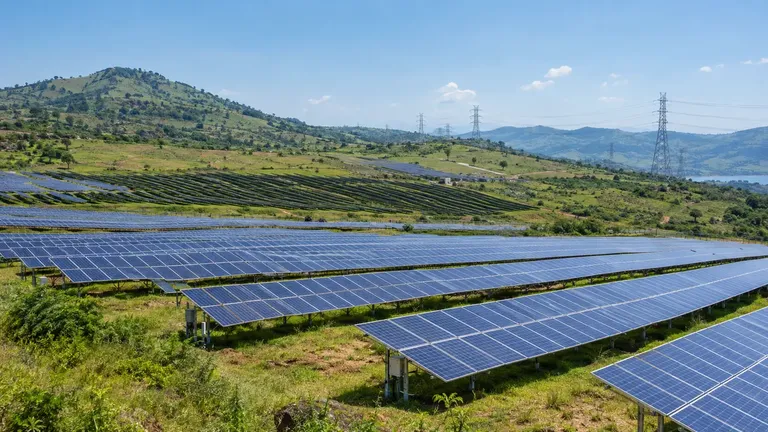
Rwanda tenders a 200 MW floating solar plant with 800 MWh of storage on Lake Sake
The project in Ngoma District will be an independent power producer scheme selling to EUCL; pre-qualification bids are due on 12 November.
Type at least two letters to see matching pages.
1 min read
 Energy
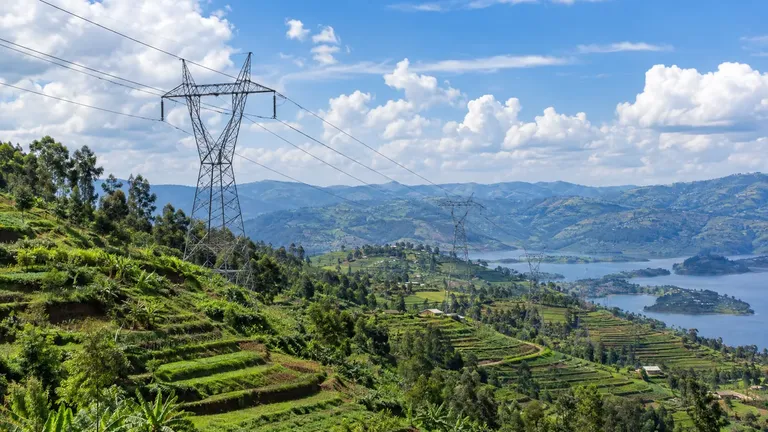
Rwanda has designed a US$400 million ASCENT project within a US$3 billion plan to reach universal access and raise generation from 466 MW to 1,066 MW.
Rwanda is among the countries eligible for the Accelerating Sustainable and Clean Energy Access Transformation (ASCENT) initiative, a US$5 billion programme for electricity access in Eastern and Southern Africa, officials said at a regional workshop in Kigali on 3 November 2026, The New Times reported.
ASCENT runs until 2030 and aims to bring electricity to 100 million people and clean cooking to 20 million in more than 20 countries, while mobilising a further US$10 billion of public and private investment over seven years. It brings together the World Bank Group, COMESA, governments, utilities and private companies. Private firms in distributed renewable energy and clean cooking can seek finance through the ASCENT Regional Energy Access Financing Platform run by the Trade and Development Bank.
Rwanda has designed a US$400 million ASCENT project to expand modern energy for households, businesses and public institutions and improve the efficiency of electricity services. Bernard Dzawanda, director of infrastructure and logistics at COMESA, said the organisation is ready to help Rwanda identify further projects. COMESA also runs a US$50 million facility to prepare investment-ready energy projects.
The country's universal access target for 2030 is backed by a costed US$3 billion investment plan, including US$1 billion from the private sector. The plan would raise installed generation capacity from 466 MW to 1,066 MW and lift the renewable share of the energy mix to 60%. Jovine Nsekanabanga of Energy Development Corporation Limited said better data and aligned national plans are needed to guide investors.
For off-grid solar and clean-cooking companies, the financing platform is a possible source of funding for expansion in Rwanda.
Energy
The project in Ngoma District will be an independent power producer scheme selling to EUCL; pre-qualification bids are due on 12 November.
InvestRwanda Assistant
Guides, provinces and companies for your plans in Rwanda
What are you looking to do in Rwanda today?
Answers are written by AI and can be wrong: check the linked pages. Please do not enter personal details.