The two institutions agreed heads of terms for the proposed Rwanda Distributed Renewable Energy Fund, and Africa50 signed a separate memorandum with two ministries on solar power and clean cooking.
Africa50, a pan-African infrastructure investment platform, and the Rwanda Green Fund have agreed heads of terms to set up a proposed Rwanda Distributed Renewable Energy Fund, The New Times reported on 17 November 2026. The fund has a target size of USD 100 million.
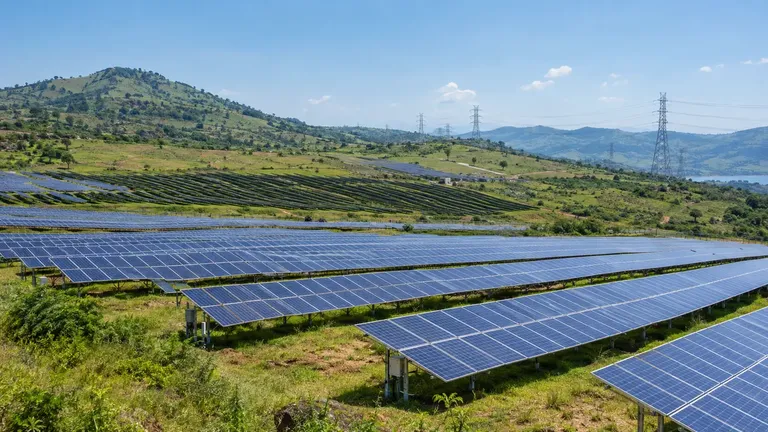
Distributed renewable energy refers to power generated close to where it is used, such as rooftop solar systems, solar home kits and mini-grids, rather than electricity from large plants delivered over the national grid. The proposed fund would invest in this type of project in Rwanda.
Alongside the heads of terms, Africa50 signed a separate memorandum of understanding with the Ministry of Infrastructure (MININFRA) and the Ministry of Finance and Economic Planning (MINECOFIN). The memorandum covers support for nationwide solar power and clean cooking programmes. According to the report, Rwanda would be the second country fund of this kind for Africa50, after Nigeria.
Speakers at the signing included representatives of Africa50, Teddy Mugabo, chief executive of the Rwanda Green Fund, and Minister Arakwiye. The parties said they aim to have the fund operational within the year, and to be discussing its investments by the time of the COP32 climate conference in Addis Ababa.
Heads of terms set out the main commercial points that the parties have agreed in principle. They are not the final legal agreement: the fund’s structure, its other investors and its investment rules still have to be finalised and published. The New Times report did not give a breakdown of how much each party would contribute towards the USD 100 million target.
The Rwanda Green Fund is the country’s public fund for climate and green-growth finance. Rwanda aims for universal household electricity access by 2029 under the Second National Strategy for Transformation (NST2), and off-grid solar is expected to supply part of that target in rural areas where grid extension is costly. Clean cooking, which replaces firewood and charcoal with gas, electric or improved cookstoves, is a separate government target.
For solar distributors, mini-grid developers and clean cooking companies, the proposed fund would be a possible source of equity or debt once it is set up. No application process has yet been announced.
 Energy