 Economic Zones
Bugesera Special Economic Zone reaches 85% occupancy in its first phase
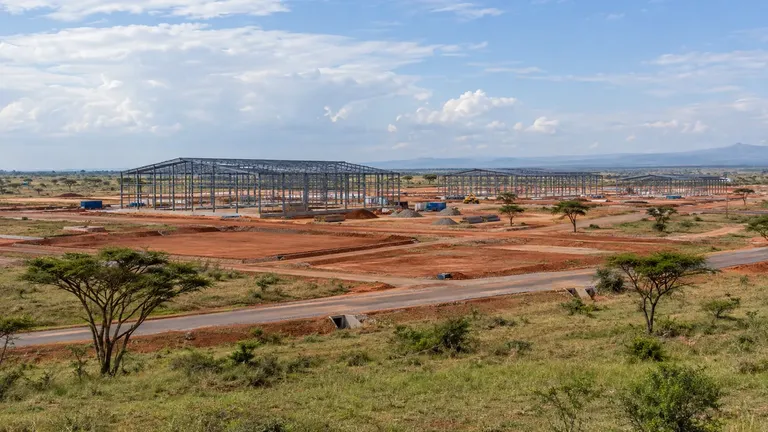
The 335-hectare zone developed with ARISE IIP has 12 operating companies employing 1,500 to 2,000 people and about US$100 million of approved investment.
Type at least two letters to see matching pages.
1 min read
 Economic Zones
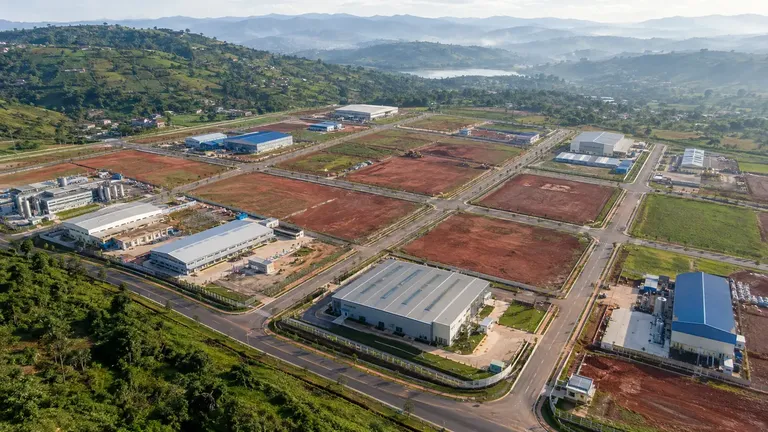
Gitaraga covers about 296 hectares in 350 plots near the Bugesera road; factories outside designated zones have up to 10 years to relocate.
Investors are being invited to set up at new industrial zones in Kigali in addition to the Kigali Special Economic Zone and existing parks, the Ministry of Trade and Industry told The New Times in a report published on 26 October 2026.
The Gitaraga Light Industrial Zone, in Masaka Sector of Kicukiro District, covers about 296 hectares divided into 350 plots. Permanent Secretary Chantal Tuyishimire said it has four zonings: agriculture and agro-processing, concrete industries, light manufacturing and assembly, and light pharmaceuticals. Investors must compensate at least 1,200 property owners, who can now negotiate directly with buyers or develop projects themselves. The site lies on the road from Kicukiro to Bugesera, near the new airport.
In Nyarugenge District, an 80-hectare zone in Kanyinya Sector, near the Nyabarongo River, is reserved for light industries, with 15% of the area allocated to infrastructure. The Nzove Light Industrial Zone, planned by the City of Kigali through land readjustment and approved by the city council, will take non-polluting activities such as food processing, bakeries, building materials, workshops, warehousing and business and science parks.
Under ministerial instructions issued in February 2026, factories outside designated industrial zones have up to 10 years to relocate. The rules follow the National Industrial Policy 2024–2034 and exclude slaughterhouses, garages and warehouses. The Kigali Master Plan sets out industrial development in five phases up to 2050, and more than 9,000 hectares are planned for industry nationwide over 30 years, against just over 1,100 hectares used today.
For manufacturers, the new zones add options beyond the Special Economic Zone, with plots bought from landowners rather than leased from a zone developer. The Industrial Parks guide on this site compares the main sites.
Economic Zones
The 335-hectare zone developed with ARISE IIP has 12 operating companies employing 1,500 to 2,000 people and about US$100 million of approved investment.
InvestRwanda Assistant
Guides, provinces and companies for your plans in Rwanda
What are you looking to do in Rwanda today?
Answers are written by AI and can be wrong: check the linked pages. Please do not enter personal details.