 Economy
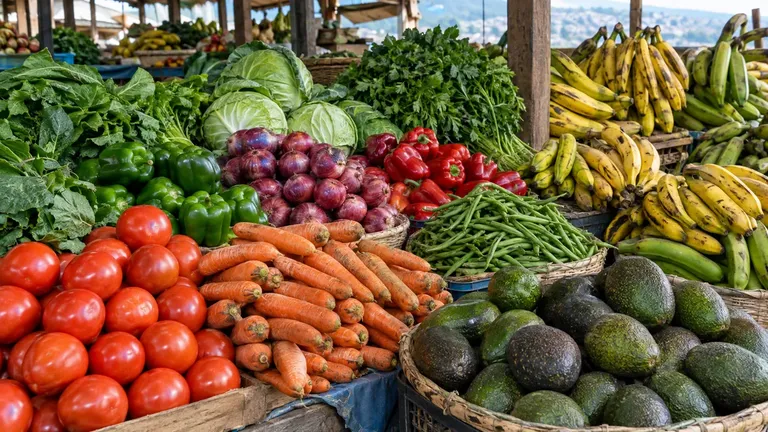
Rwanda's inflation rises to 17.2% in September 2026
Consumer prices rose 17.2% year on year, up from 15.7% in August, as food prices climbed 20.9%, transport 22.4% and energy 45%.
Type at least two letters to see matching pages.
1 min read
 Economy
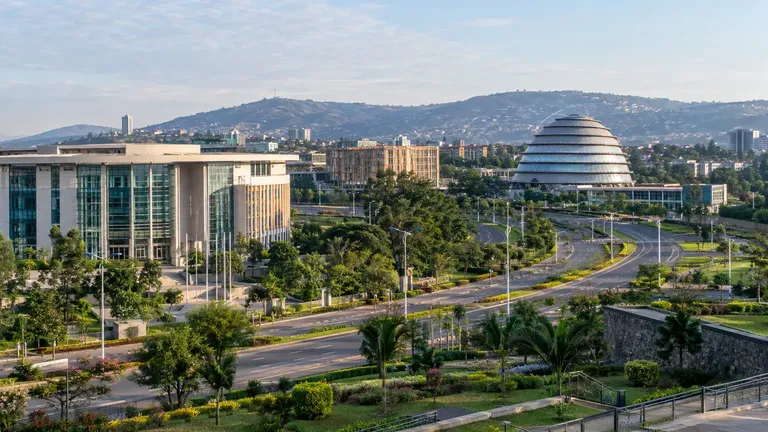
Completing the review would release about US$35.7 million; IMF staff project growth of 7.8% in 2026 and 7.0% in 2027 and call for tight monetary policy as inflation rises.
International Monetary Fund staff and the Rwandan authorities reached a staff-level agreement on 6 October 2026 on the first review of Rwanda's arrangement under the Extended Credit Facility (ECF), the IMF said in a press release. The agreement still needs approval from IMF management and the Executive Board.
Completion of the review would give Rwanda access to SDR 26.433 million, about US$35.7 million. IMF staff said all end-June quantitative performance criteria were met and that the authorities are advancing structural benchmarks on the investment framework, the domestic securities market and the foreign exchange market.
Real GDP grew 9.7% in the first half of 2026. The IMF projects growth of 7.8% for 2026 and 7.0% for 2027. The fiscal deficit fell to 4.8% of GDP in fiscal year 2025/26, and foreign exchange reserves covered about four months of imports.
Headline inflation reached 15.7% in August 2026, driven by earlier price pressures and higher international oil and fertiliser prices linked to the war in the Middle East. Because inflation went above the programme's consultation band, the monetary policy consultation clause will be discussed by the Executive Board. IMF staff said monetary policy should stay tight and data-driven to bring inflation back towards the National Bank of Rwanda's medium-term target of 5%.
The IMF listed commodity price volatility, trade and geopolitical tensions, an El Niño climate shock and tighter global financing as the main risks. It also said the new petroleum procurement framework led by the Rwanda National Energy Company could improve fuel supply and lower procurement costs.
Economy
Consumer prices rose 17.2% year on year, up from 15.7% in August, as food prices climbed 20.9%, transport 22.4% and energy 45%.
 Economy
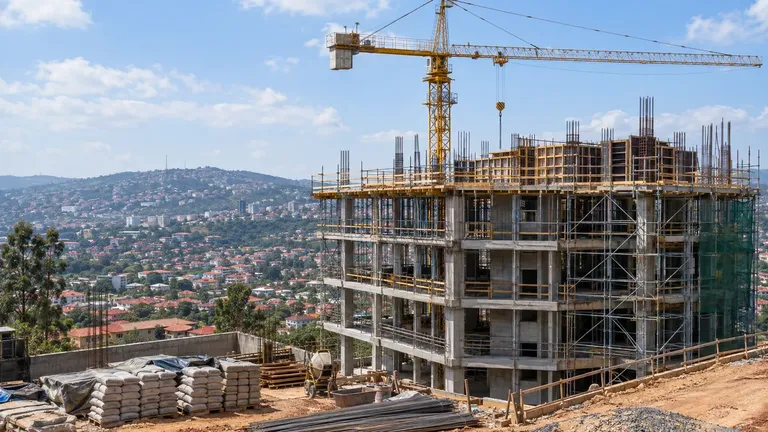
GDP at current prices reached Frw 7,174 billion as industry expanded 18%, led by mining, construction and manufacturing; agriculture grew 4% and services 7%.
InvestRwanda Assistant
Guides, provinces and companies for your plans in Rwanda
What are you looking to do in Rwanda today?
Answers are written by AI and can be wrong: check the linked pages. Please do not enter personal details.